
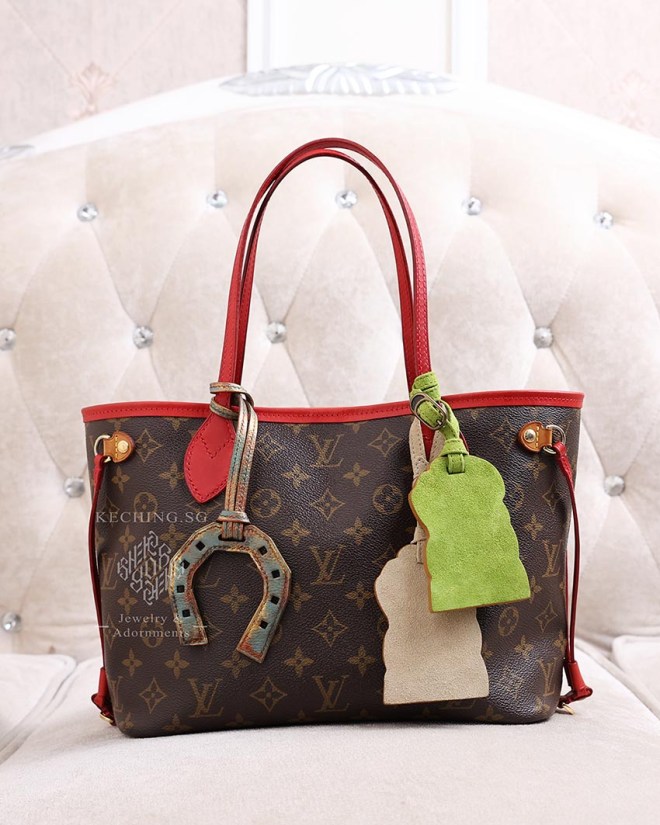
In brief
This sharing touches on:
- in particular, restoration works that require recolouring an even coloured bag body. More often than not, the bag is further damaged. At best, the services rendered lasts a mere few months and it reverts back to the worn and torn look
- some examples where servicing is absolutely safe
- you bag’s safety is priority
Can do
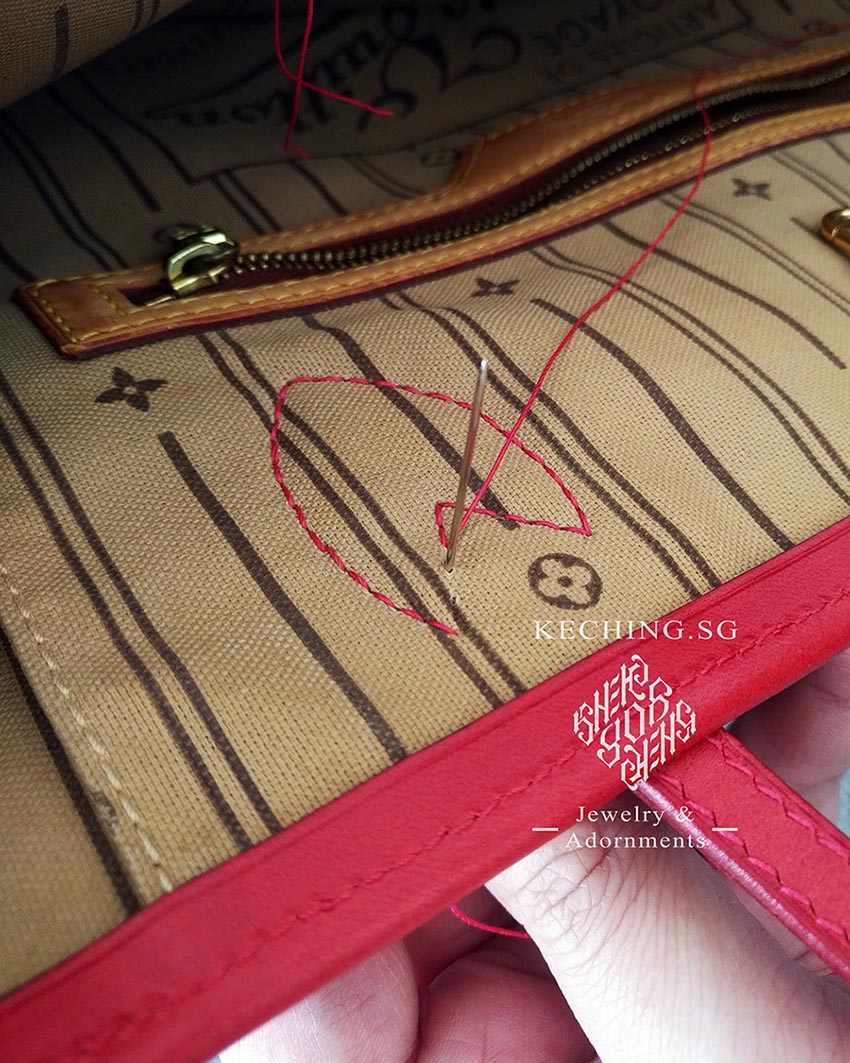
A bag can be saved when the worn out area can be isolated completely from the bag, for example the bag handles, sling and brim piping. By “completely”, I refer to parts where both the inner and outer seams can be seen and as a result, can be unpicked from both the inside and outside (see photo below). If the inner seams are covered by an inner fabric lining, the part in question cannot be touched. This applies to zips as well.
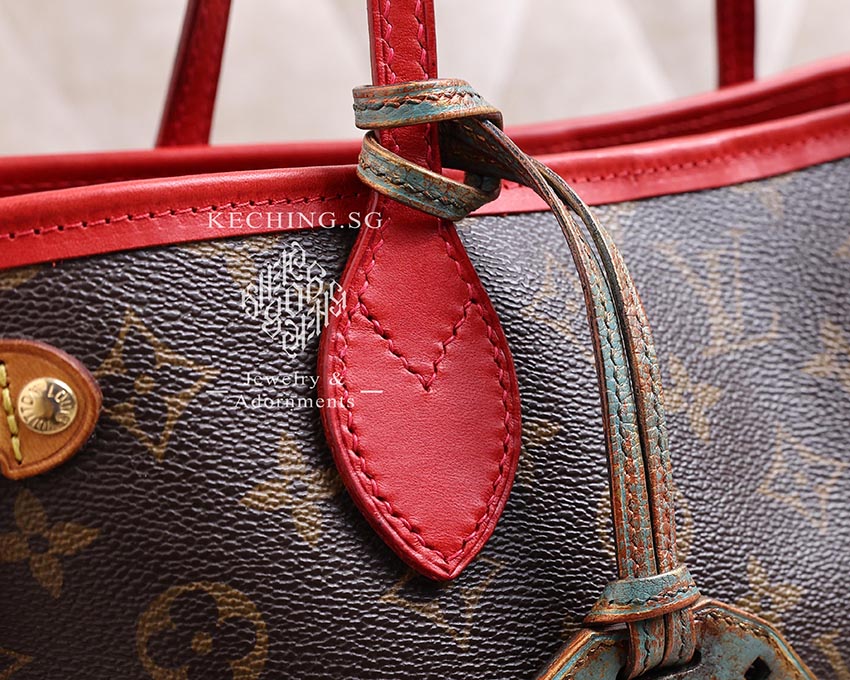

More examples of “can do”

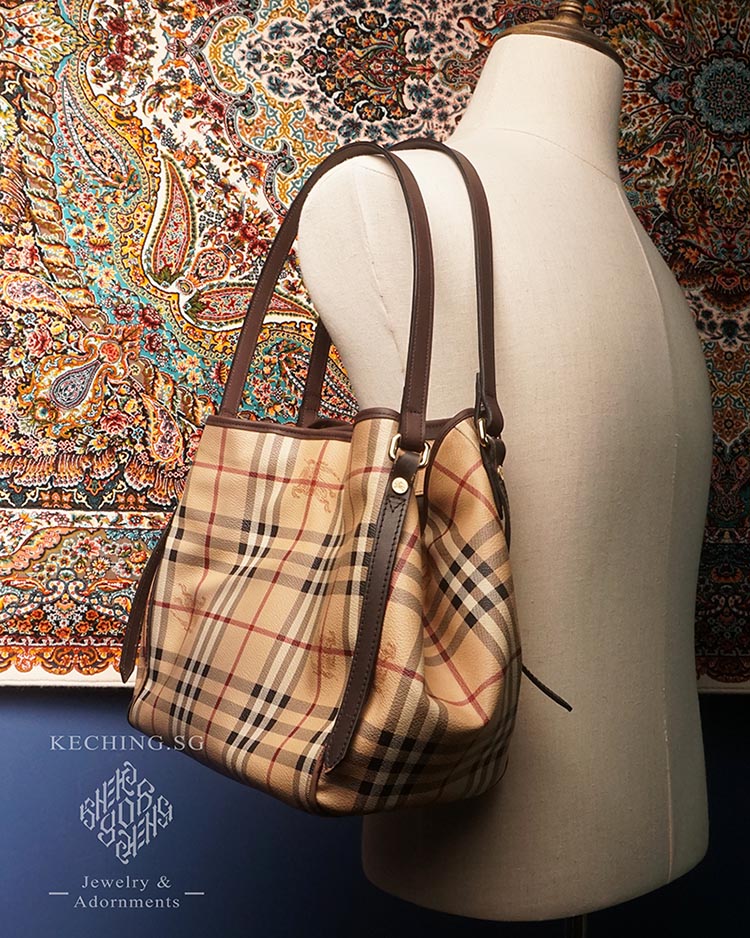
When it isn’t feasible
Bags will likely be left unrepaired when:
- it takes too many steps to access the part to be replaced. For example, the inner seams of a zip or handle have been covered by an inner fabric lining
- the bag has a hole or the area is outright torn. At its simplest, a small piece of leather can be used to cover up. At a most professional level, a filler can be used to “rebuild” the material where the hole is, if it is small enough, and then apply dye over it
For these jobs, there is no harm reaching out to vendors to enquire. This is because the price to value ratio is likely to skew towards a “no go”, ie it is too expensive to service just this small part.
Our real concern: recolouring
Of greatest concern to us, however, is that we might be enticed to pursue a solution of recolouring our bags when they have grown moldy, when there is only light chafing without tear at the bottom corners of the bag etc. And it is a non-petty service that merits a certain price premium in customers’ minds.
However, the risk is high, and one might be paying a premium to have their bags further damaged.
Perhaps the best way to connect the concept of bag redyeing to one’s everyday experiences, is to imagine restoring a sheet of worn out paper into brand new white paper. It may be crumpled, pen-stained, torn and with holes, and mold infested, just as one’s bag may be creased, dirt stained or patina-ed, discoloured, moldy etc.
Recolouring your bag
We can whiten a used piece of paper using correction tape, correction fluid, water colour or industrial grade white paint. However, our experiences inform us that:
- There will be colour differences between the corrected areas and the rest of the paper
- Correction tape binds loosely onto the paper and may peel off. Variations in leather finishing require craftsmen to choose between less permanent types of staining chemicals and strong ones. Should a bag dictate that only temporary solutions can be used, it is counterproductive to the purpose of restoration and repair, since we want the newly serviced bag to endure years going forward.
- Correction fluid, water colour and industrial grade paint akin to alcohol based dyes. Oversimplified, these powerful dyes burn through the protective coating, burns through the colour pigments and burns through the bag’s leather itself. Furthermore, if the leather is thin, the dye seeps through the leather and stains the fabric lining inside, if any (see photo below). This is very much like how permanent marker ink seeps through paper and stains the table.
- Finding the correct solution for the correct leather finishing is but the beginning. Applying the chemicals evenly onto the surface, mixing the correct colour requires no less than an experienced artist (hint: costly) to deliver.
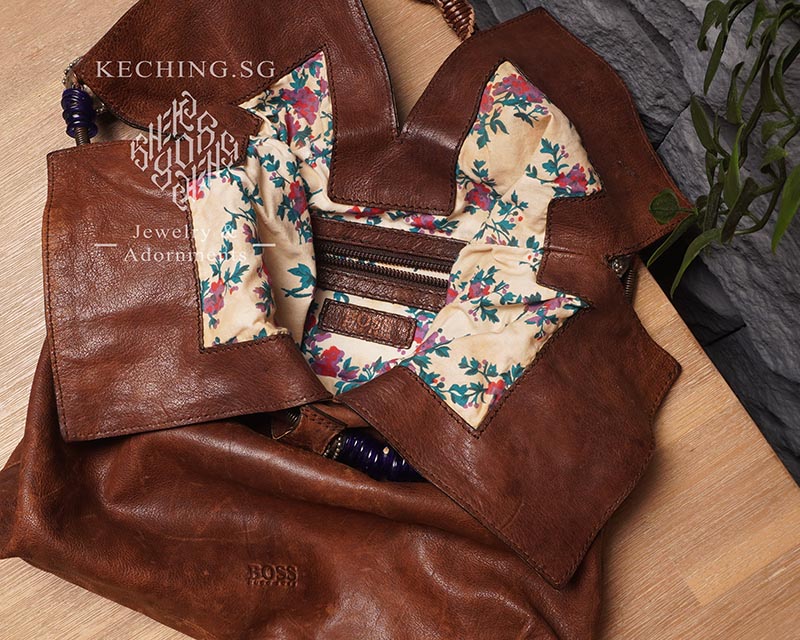
It is because of these reasons that many commercial services require customers to sign indemnity forms, to protect themselves from the dear compensations that may arise from damaging expensive bags.
Cross material comparison
It is easy to forget that leather is animal skin. It comprises the outermost structure that is smooth and water resistant, and the inner flesh-facing structure that is more fibrous. Leather wear and tear is a result of the constant rubbing off of the outermost structure, to the inner structure and eventually tearing a hole through the skin.
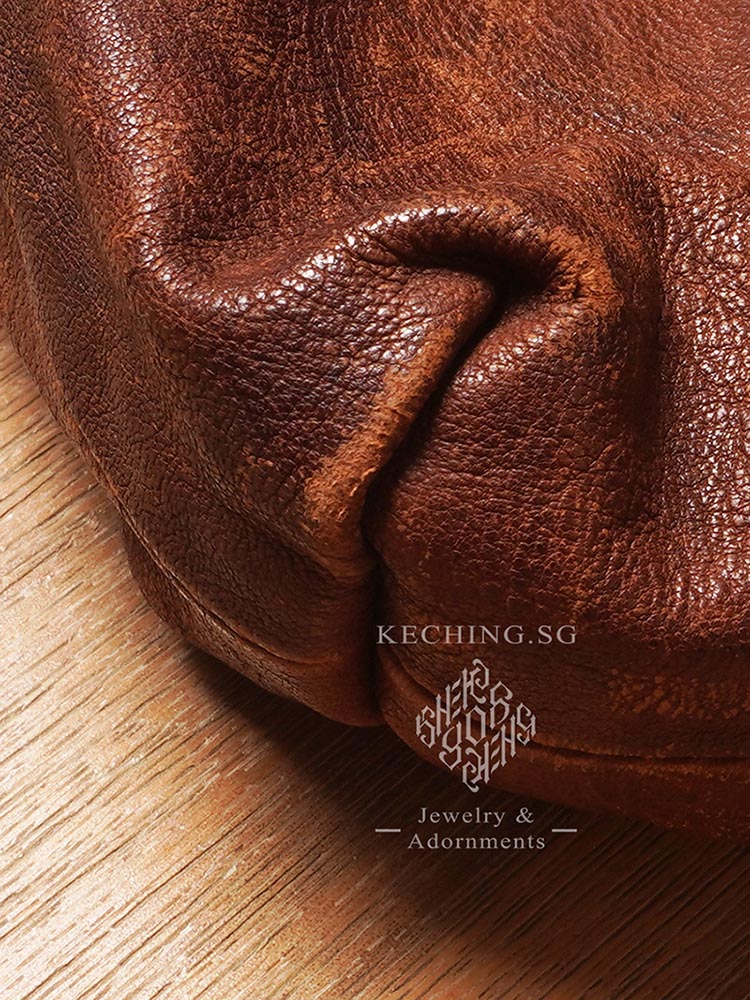
Leather is unlike metal. The following photo is of one of my solid brass alphabet bag accessories, which I intentionally polished with an electric tool and abrasive cream to estimate its durability under normal use conditions.

From the left to right (photo above), you can see:
- the 22K gold plating which itself is coated with invisible lacquer coating
- followed by the silver-ish colour nickel plating
- and then the pink copper plating
- and finally the core brass material of the accessory
The brass and 22K gold looks exactly the same in the photo.
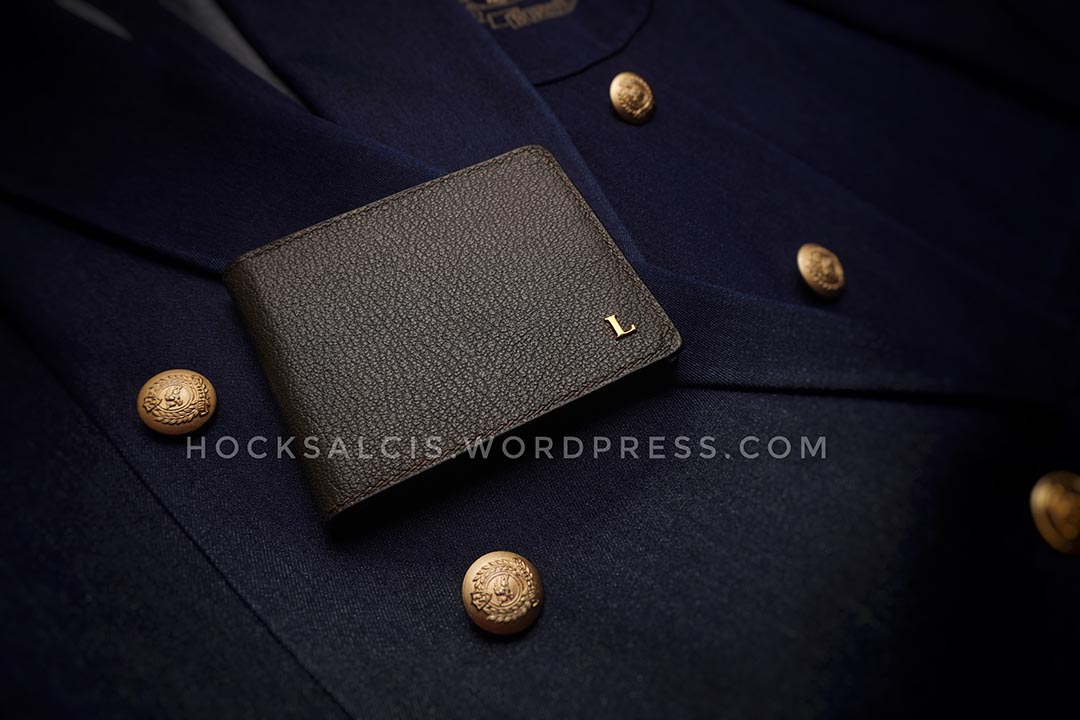
It requires this many steps to plate a solid brass item with 22K gold, indeed.
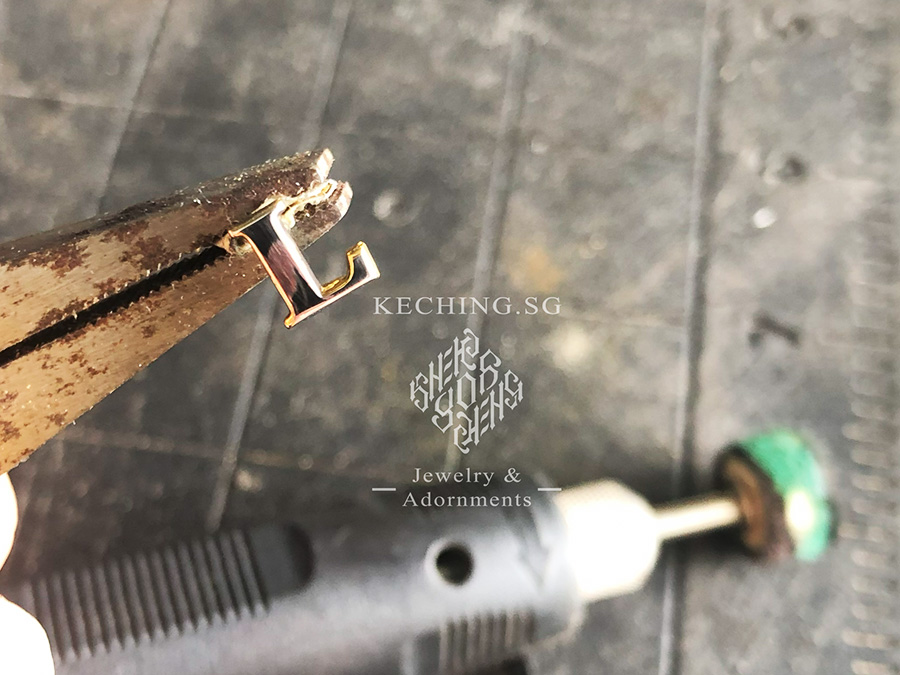
From another angle. The 22K gold plating with its lacquer coating has been polished off. And still on the “L” accessory are the nickel plating and the pink copper plating. Beneath the copper plating will be the core brass material. The nickel plating looks black instead of silver-ish because of reflection of my black phone bumper.
Electricity and chemical solutions strip the various metal layers from an old and rusty metal accessory. Thereafter, the accessory can be replated with the respective metals again, literally renewing it. However, none of these solutions are available to the treatment of worn out leather. Once the skin is damaged, it is damaged.
Rustic leather bags vs even coloured leather bags
If a customer’s bag has been afflicted with mold, water stain, dirt stain etc, are they on a rustic looking bag or a refined bag? This is the most important segment as to our resistance towards restoring a luxury bag by recolouring it.
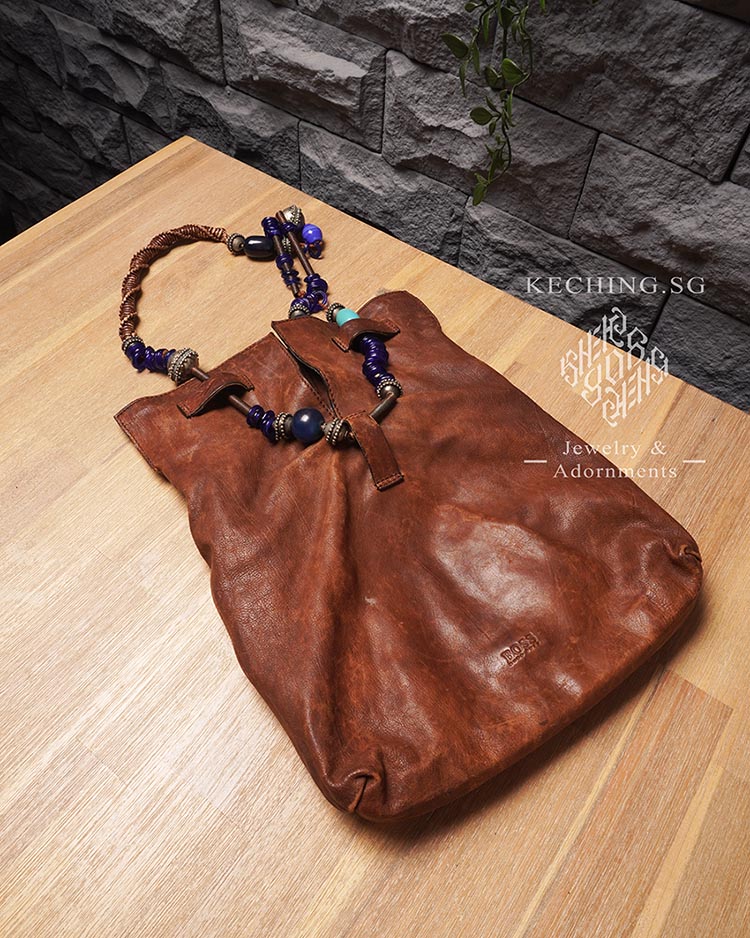
If a bag is originally rustic looking, there are no solutions to even out the colour. We can’t notice any stains above if present at all. Glossing over the restoration of this bag, the edges were repainted, the glue was reapplied and the dry surface was nourished. But it looks exactly the same from afar.
Even-coloured leather bags are different on the other hand. In hoping to restore them, we wish not just for the stains to be concealed, but for the area to blend in totally with the main bag colour, hence our example of restoring old paper above.
If a bag colour is a constant solid colour, it is because the leather underwent strict conditions at the tannery. The leather was first bleached, and then laid on a conveyor belt and transported at a constant speed under the sprinklers delivering the dye. The dye released has to be fine and are not huge droplets. The manner in which the dye are subsequently left to dry plays a part as well. The more consistent the colour, the more controlled the environment has to be.
A bag is not flat. And a craftsman is armed with but a brush or spray gun. At the same time restoration works are hindered by zippers, brand logos, fabrics, nooks and crannies of all forms and manner.
I hope this write up helps customers make an informed choice as to the types of repair and restoration that are possible and impossible.
Cheers.
 Keching